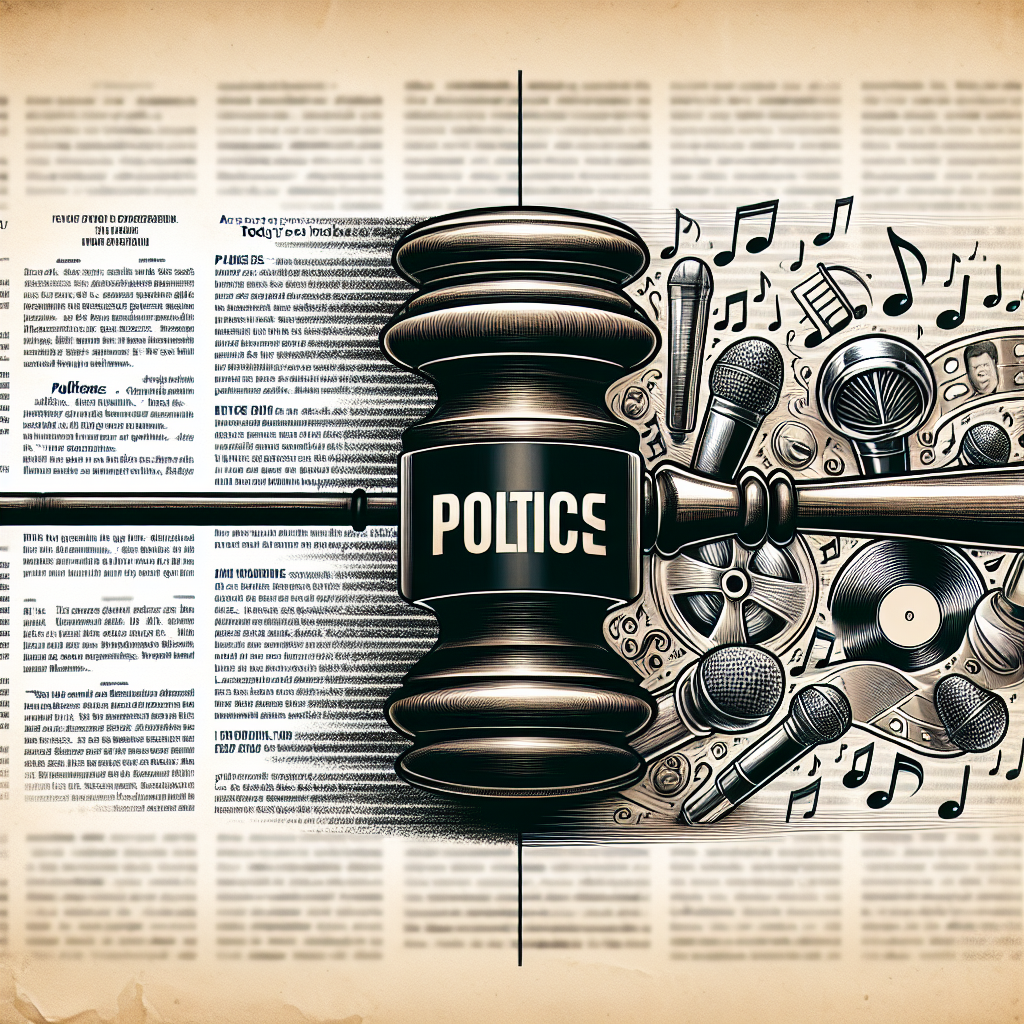
In an era where the lines between politics and pop culture increasingly blur, understanding the interplay between these spheres is crucial for entrepreneurs, marketers, and business owners. This article delves into the latest headlines shaping our world today, illustrating how political events influence popular culture and vice versa. We will explore these connections, highlight notable trends, and provide insights into leveraging this knowledge for business success.
Understanding the Interconnection
The Influence of Politics on Pop Culture
Politics has long been a cornerstone of storytelling, influencing music, film, and television. Artists use their platforms to comment on social issues, making political discourse accessible to wider audiences. For example, recent events such as the COVID-19 pandemic and climate change have prompted numerous creative responses in music and film, showcasing how current events shape cultural narratives.
Case Study: Music and Political Activism
Consider artists like Billie Eilish and Kendrick Lamar, who employ their music to address pressing societal issues. Eilish’s "Your Power" critically examines power dynamics, while Lamar’s "Alright" became an anthem for the Black Lives Matter movement. Such songs foster public discussion, influencing perceptions and mobilizing communities.
Pop Culture’s Impact on Politics
Conversely, pop culture can significantly influence political landscapes. The use of social media platforms, such as TikTok and Twitter, allows for rapid dissemination of messages, often swaying public opinion. Political campaigns have adapted to this shift, employing influencers to engage younger demographics directly.
For instance, the Biden campaign utilized social media, leveraging platforms to connect with voters and energize supporters. This approach reflects a broader trend in which political narratives are crafted to appeal to cultural sensibilities.
Current Headlines
Emerging Political Trends
As we delve into today’s headlines, several key political developments stand out:
-
Global Climate Initiatives: Nations worldwide are ramping up efforts to combat climate change, with significant implications for businesses. The Biden administration has outlined ambitious goals for reducing carbon emissions, encouraging businesses to adopt sustainable practices.
-
Polarization in Politics: The current political climate is marked by increasing polarization. This division influences media portrayals and public discourse, shaping how consumers perceive brands and engage with products.
- International Relations: Tension between global powers, including the U.S. and China, affects not only trade relations but also cultural exchanges. Businesses must navigate these complexities to remain competitive in a global market.
Pop Culture Highlights
The pop culture landscape is equally dynamic, with trends emerging in film, music, and social media:
-
Diversity in Entertainment: Representation in media is critical, with more films and shows highlighting diverse voices. This trend reflects societal demands for inclusivity and authenticity, offering opportunities for brands that align with these values.
-
Influence of Streaming Services: Platforms like Netflix and Hulu have revolutionized how we consume entertainment. Their algorithms influence cultural conversations, often dictating what becomes popular.
- Virality and Memes: Social media phenomena, such as viral challenges and memes, play a crucial role in shaping cultural narratives. Marketers can harness these trends to engage audiences effectively.
Insights for Businesses
Leveraging Political Trends
It’s essential for businesses to remain aware of political trends that could impact their operations. Companies should consider the following strategies:
-
Sustainable Practices: As consumers demand sustainability, businesses must adopt greener practices, ensuring compliance with regulations and appealing to eco-conscious customers.
- Crisis Communication: In a polarized environment, brands should develop robust communication strategies to address potential controversies. Transparency and authenticity can build trust with consumers.
Engaging with Pop Culture
To connect effectively with target audiences, businesses can employ several tactics:
-
Social Media Engagement: Utilize platforms to engage directly with consumers, responding to trends and addressing issues that resonate with younger demographics.
- Collaborations with Influencers: Partnering with influencers can amplify brand messages and enhance credibility, particularly among younger audiences who value authenticity.
Conclusion
The interconnectedness of politics and pop culture offers numerous opportunities for businesses willing to engage with current events and cultural narratives. By understanding these dynamics, entrepreneurs and marketers can craft strategies that resonate with consumers, driving brand loyalty and success.
Relevant Internal Links
External Resources
This article aims to equip readers with a comprehensive understanding of the intricate relationship between politics and pop culture, providing insights that can facilitate informed decision-making in business. By remaining adaptable and responsive to these trends, businesses can enhance their relevance in an ever-evolving marketplace.















No Comments