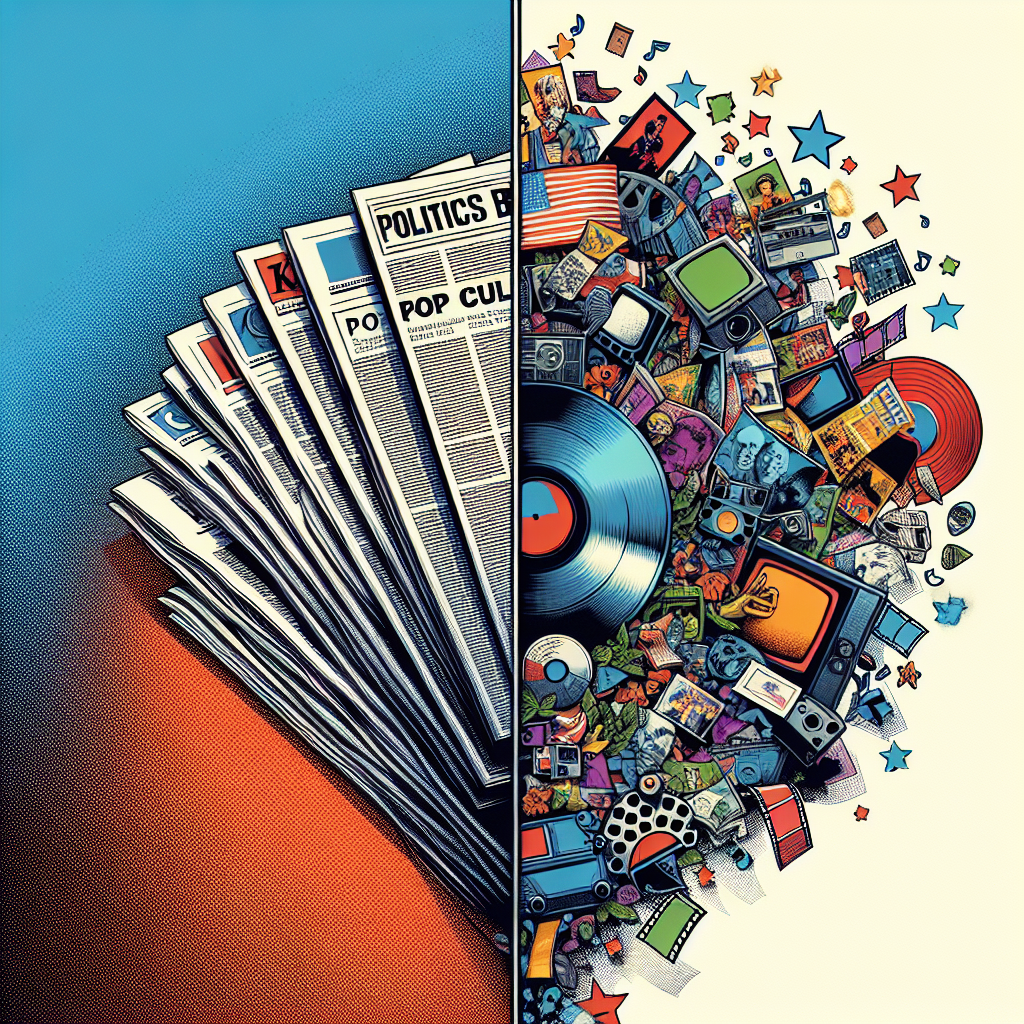
In today’s fast-paced world, the intersection of politics and pop culture has become more pronounced than ever. Headlines often reflect a shifting landscape where political actions resonate beyond governmental walls, permeating the realms of entertainment, social media, and public discourse. This article explores the dynamics of today’s headlines, emphasizing how political events shape and influence popular culture, while also examining the reverse: how pop culture is influencing political perceptions.
The Intersection of Politics and Pop Culture
Understanding the Shift
The correlation between politics and pop culture is not new. From Woodstock to the Civil Rights Movement, social movements and public figures have historically utilized popular mediums to amplify their messages. Today, however, this relationship has become increasingly complex, fueled by social media and instantaneous news cycles.
Platforms like Twitter, Instagram, and TikTok have transformed how information is disseminated. Politicians now employ these channels to communicate directly with the public, bypassing traditional media filters. This real-time interaction allows for immediate responses, sometimes blurring the lines between political statements and entertainment.
Case Studies in Contemporary Politics
The Influence of Celebrity Endorsements
One of the most glaring examples of politics colliding with pop culture is the growing trend of celebrity endorsements. High-profile figures such as Beyoncé, Taylor Swift, and Dwayne "The Rock" Johnson have used their platforms to advocate for political causes, impacting voter engagement and public opinion.
- Beyoncé’s Voter Registration Efforts
In the lead-up to the 2020 U.S. presidential election, Beyoncé encouraged her followers to register to vote, prompting a significant increase in voter registration among young people. This illustrates how celebrities can galvanize public action on political issues.
Issues of Representation
Films and television today often tackle socio-political subjects. Series like "The Handmaid’s Tale" and movies such as "Black Panther" not only entertain but also spark discussions around gender inequality, racial issues, and systemic injustices. These narratives become part of the larger socio-political discourse, influencing public sentiment and policy debates.
Late Night Shows
Late-night television has become a platform for political satire. Shows like "The Daily Show" and "Saturday Night Live" offer critiques of political figures and policies, making complex issues more digestible for the general audience. The humor employed often highlights absurdities in political behavior, fostering a more informed populace.
How Pop Culture Shapes Political Perceptions
Pop culture often serves as a mirror reflecting societal values, changing perceptions and influencing political landscapes. For example, the global phenomenon of K-pop has become a source of Korean soft power, affecting diplomatic relations and fostering a deeper cultural understanding.
Global Movements
Media representation significantly influences political perceptions. Positively portrayed minority groups in popular media can lead to improved public perceptions and can catalyze political action. Conversely, negative stereotypes can reinforce existing biases.
The Rise of Youth Activism
Movements like Black Lives Matter and climate strikes led by figures such as Greta Thunberg have been bolstered by their representation in pop culture. Influencers and artists lend their voices, drawing attention to these critical issues, and mobilizing young audiences across various platforms.
Engaging a New Generation of Voters
This surge in youth activism correlates with increased voter registration and participation rates among young adults. The use of hashtags on social media has effectively turned grassroots movements into mainstream discussions, showcasing the power of pop culture in politics.
Reporting and Sensationalism
The media plays a pivotal role in shaping public perceptions of both politics and pop culture. Sensational journalism can exaggerate certain stories, creating narratives that blur the lines between fact and entertainment. This phenomenon highlights the importance of critical media literacy among the public.
The Ethics of Reporting
Journalists face ethical dilemmas when covering political figures who are also celebrities. Balancing impactful reporting with sensationalism can be challenging, especially in a 24-hour news cycle where clicks often trump thorough analysis.
As traditional media outlets face increased competition from new forms of media, they must adapt. Informative yet entertaining content is likely to engage broader audiences, making the careful blend of political content and pop culture essential for media success.
Conclusion: The Future of Politics and Pop Culture
In conclusion, the interplay between politics and pop culture is increasingly intricate and significant. As we witness the growing influence of celebrities and the media on political discourse, it is essential for both politicians and citizens to navigate this landscape thoughtfully. Understanding these trends helps us respond effectively to current events and advocate for informed public discourse.
Moving forward, the dialogue between politics and pop culture will continue to evolve. Engaging with these issues not only enriches our understanding of societal challenges but also empowers us as active participants in shaping the future.
Additional Resources
For further readings on contemporary politics and pop culture, check out our other insightful articles on Societal Trends and Media Influence and Youth Engagement in Politics.
By focusing on how current events reflect the intricate relationship between politics and pop culture, this article highlights the vital narratives shaping public consciousness. Stay informed, stay engaged, and let your voice be heard.














No Comments