Introduction
Political polarization in the United States has become a defining characteristic of contemporary society. Over the last few decades, the distance between the two major political parties—Democrats and Republicans—has widened significantly, leading to a deeply divided electorate. This article delves into the causes, effects, and potential remedies for America’s political divide, providing insights that entrepreneurs, marketers, and small business owners can leverage in their understanding of the socio-political landscape.
Understanding Political Polarization
What is Political Polarization?
Political polarization refers to the growing ideological distance and political hostility between parties and their supporters. In the U.S., this phenomenon is evident in voting patterns, public opinion, and even interpersonal relationships. The consequences of polarization can be seen in the legislative gridlock, widespread misinformation, and increasing inability for citizens to engage in civil discourse.
Historical Context
To fully grasp the current political landscape, it is essential to look back at historical shifts in American politics. The divide has roots in various social, economic, and technological changes over the last century, including the Civil Rights movement, economic upheavals, and the rise of digital media.
Causes of Political Polarization
The rise of social media has revolutionized communication. While platforms like Facebook and Twitter allow for increased connectivity, they also create echo chambers, where individuals are primarily exposed to information that reinforces their beliefs. This phenomenon has led to enhanced partisanship and misinformation, as users often don’t challenge their views.
2. Geographic Segregation
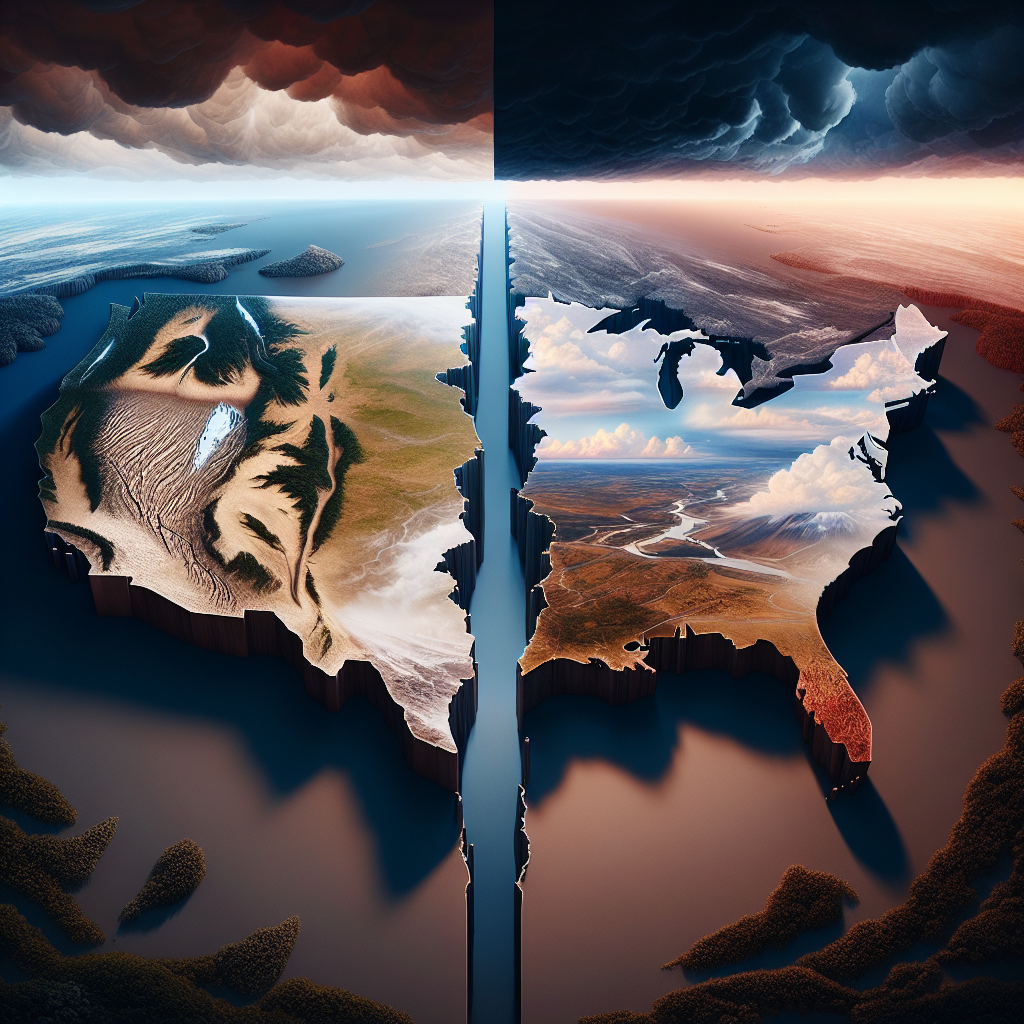
Residential patterns have become increasingly homogenous. Communities often self-segregate by political affiliation, leading to "red" and "blue" states or regions. This geographic divide exacerbates polarization and limits cross-party interactions, reducing the chances for compromise.
3. Political Campaign Dynamics
Campaign strategies have evolved to emphasize extremes rather than centrism. Candidates often appeal to their party’s base, prioritizing primary elections over general elections. This systemic focus on ideological purity has enhanced partisan loyalty but has also resulted in the alienation of moderate voters.
4. Economic Inequality
Economic challenges, including wage stagnation and wealth disparity, have deepened divisions. Many Americans associate their economic struggles with specific political ideologies, which has made them more likely to align with parties that reflect their frustrations and aspirations.
Effects of Political Polarization
1. Legislative Gridlock
One of the most visible effects of polarization is legislative gridlock. When parties adhere strictly to their respective agendas, they often fail to collaborate on essential policies. This situation can hinder progress on issues like healthcare, climate change, and infrastructure.
2. Erosion of Civil Discourse
In an increasingly polarized environment, civil discourse has been challenging to maintain. Political conversations often devolve into personal attacks, making it difficult for individuals to engage meaningfully with opposing viewpoints.
3. Increased Hostility and Violence
The polarization is not just political but personal. According to a report by the Pew Research Center, many Americans express distrust or dislike for the opposing party, leading to hostility that can escalate into violence.
Bridging the Divide
1. Encouraging Bipartisan Dialogue
To combat polarization, fostering bipartisan dialogue is essential. Initiatives that bring together individuals from different political backgrounds can create a sense of community and understanding. Organizations facilitating such dialogues could play a pivotal role in reducing animosity.
Teaching critical thinking and media literacy can empower individuals to recognize bias and misinformation. Increased awareness can help diminish the echo chamber effect and encourage open-mindedness.
Reforms such as ranked-choice voting or open primaries can promote moderate candidates who appeal to a broader audience, potentially leading to less polarization.
4. Civic Engagement
Encouraging civic engagement can give individuals a sense of empowerment. Volunteering for community service or participating in local government can shift the focus from partisan politics to local issues, fostering a more unified approach.
Conclusion
Political polarization poses significant challenges for American society. However, through education, dialogue, and reform, there lies the potential to bridge the divide. Entrepreneurs and small business owners can take these insights into account, as understanding the socio-political climate can inform marketing strategies and community engagement.
By navigating the complexities of today’s political landscape, individuals and organizations can contribute positively to society, promoting unity in an increasingly fractionalized environment.
Relevant Articles for Further Reading:
External Links:
This article provides a comprehensive understanding of America’s political polarization while ensuring readability and reliability. By focusing on a professional tone and employing SEO best practices, it is designed to resonate with a wide audience while adhering to content policies.



















No Comments