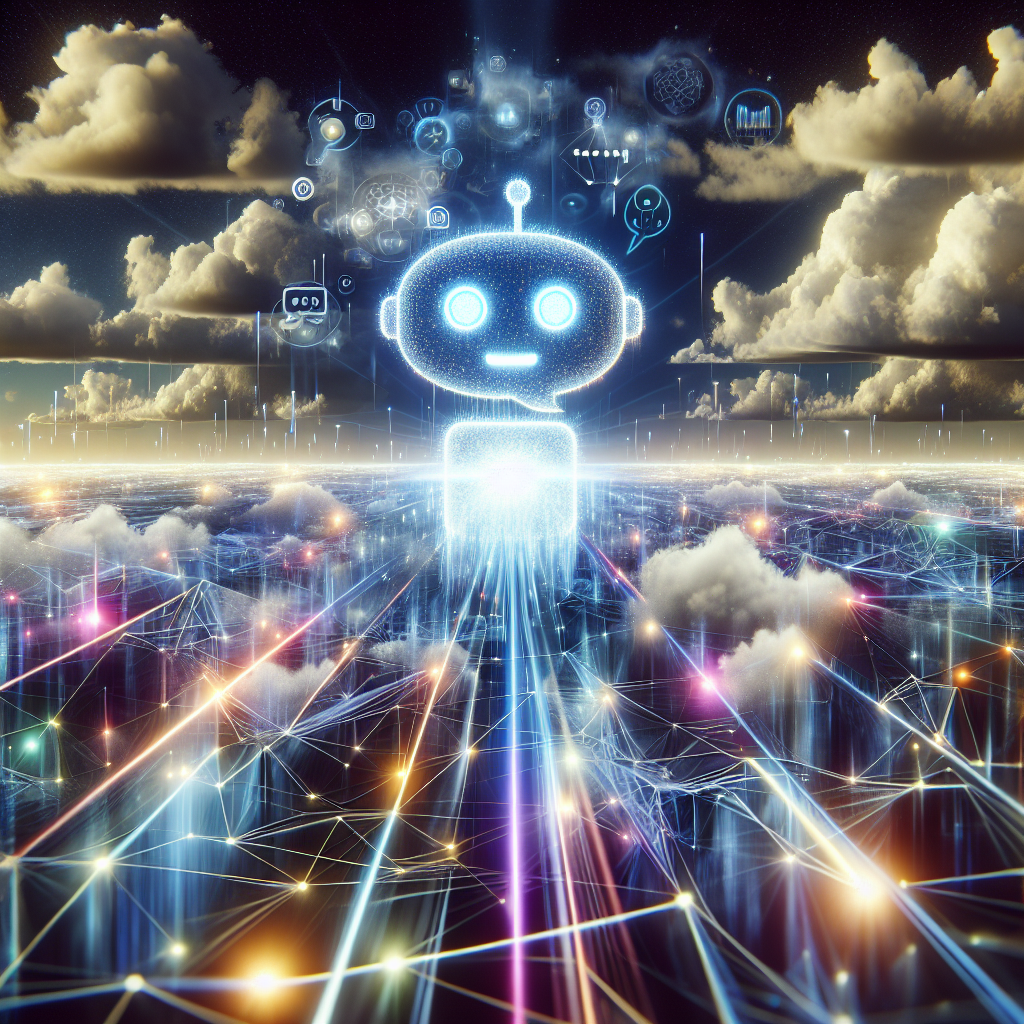
Communication has undergone a seismic shift in the last few decades, driven largely by technological advancements. One of the most significant transformations has been the rise of artificial intelligence (AI) and its application in chatbot technology. AI-powered chatbots have revolutionized how businesses interact with customers, streamlining communication processes, enhancing user experience, and optimizing operational efficiency. In this article, we will explore the latest breakthroughs in AI-powered chatbots, their evolving capabilities, and their impact on various sectors.
Table of Contents
- Introduction
- What are AI-Powered Chatbots?
- The Evolution of Chatbot Technology
- Key Breakthroughs in AI-Powered Chatbots
- Industry Applications
- Challenges and Ethical Considerations
- The Future of AI-Powered Chatbots
- Conclusion
Introduction
In an age where customer expectations are at an all-time high, the need for quick, efficient, and personalized communication has never been more pressing. AI-powered chatbots have emerged as a solution to this challenge. By leveraging complex algorithms and vast datasets, these chatbots can provide real-time assistance, making them invaluable for businesses looking to enhance customer interaction.
What are AI-Powered Chatbots?
AI-powered chatbots are software applications that use artificial intelligence to interact with users through text or voice. Unlike traditional chatbots, which follow predefined rules, AI chatbots employ natural language processing (NLP) and machine learning to understand user queries and learn from interactions.
Key Features:
- 24/7 Availability: They operate around the clock, providing immediate responses to customer inquiries.
- Scalability: They can handle multiple conversations simultaneously, making them an ideal choice for businesses of all sizes.
- Personalization: Using machine learning, chatbots can remember past interactions and tailor their responses accordingly.
The Evolution of Chatbot Technology
Chatbot technology has evolved significantly since its inception. Early chatbots relied on simple keyword recognition, often leading to frustrating user experiences. However, advancements in AI have led to the development of sophisticated chatbots capable of nuanced conversations.
Significant Milestones:
- ELIZA (1966): One of the earliest forms of chatbot, designed to simulate a conversation with a psychologist.
- Siri (2011): Apple’s voice-activated assistant marked a shift toward conversational interfaces.
- Current AI Chatbots: Tools like OpenAI’s GPT-3 and Google’s BERT now enable chatbots to understand context and semantics better than ever.
For a deeper understanding of the evolution, visit History of Chatbots.
Key Breakthroughs in AI-Powered Chatbots
Natural Language Processing (NLP)
Natural Language Processing has been a game-changer in the chatbot industry. NLP allows chatbots to understand, interpret, and respond to human language in a way that feels natural. Recent advancements in NLP techniques, such as transformer architecture and attention mechanisms, have significantly improved the accuracy and effectiveness of chatbot interactions.
Machine Learning
Machine Learning algorithms enable chatbots to learn from each interaction, adapting their responses based on user preferences and behaviors. This capability has resulted in more personalized customer service experiences, as chatbots can now remember past interactions and user-specific preferences.
Integration with Other Technologies
The future of chatbots also involves greater integration with other technologies, such as customer relationship management (CRM) systems, e-commerce platforms, and analytics tools. This integration allows chatbots to provide more insightful recommendations and creates a seamless user experience across various applications.
Industry Applications
AI-powered chatbots have found applications across various industries, revolutionizing how businesses engage with their customers.
Customer Support
One of the most common uses of chatbots is in customer support. They can handle FAQs, troubleshoot issues, and escalate more complex queries to human agents. This not only improves customer satisfaction but also reduces operational costs.
E-Commerce
In the e-commerce space, chatbots help guide customers through the purchasing process, recommend products, and provide real-time support for post-purchase inquiries. This capability can lead to higher conversion rates and improved customer retention.
Healthcare
In healthcare, AI chatbots are being utilized for appointment scheduling, medication reminders, and even preliminary health assessments. By providing timely information and support, these chatbots enhance patient engagement and streamline operational procedures.
Challenges and Ethical Considerations
While AI-powered chatbots offer numerous advantages, they also come with challenges. Issues such as data privacy, ethical use of AI, and the risk of dependency on automated systems are significant concerns. Businesses need to implement ethical guidelines and ensure compliance with data protection regulations to alleviate these issues.
The Future of AI-Powered Chatbots
As technology continues to evolve, the future of AI-powered chatbots looks promising. We can expect further advancements in artificial intelligence and machine learning, leading to even more sophisticated and user-friendly chatbots. Key trends to watch for include:
- Voice-Activated Chatbots: The rise of voice search will likely lead to more voice-activated chatbot solutions.
- Sentiment Analysis: Future chatbots may be capable of analyzing user emotions to provide even more tailored responses.
- Greater Personalization: Enhanced learning algorithms will allow chatbots to deliver increasingly personalized experiences.
For more insights into emerging trends, see our article on Future Technologies in Communication.
Conclusion
AI-powered chatbots are revolutionizing communication, making it more efficient and personalized. As technology continues to advance, these chatbots will play an increasingly important role in various industries. By understanding the latest breakthroughs and how to effectively implement chatbot technology, businesses can drive growth, enhance customer satisfaction, and stay ahead in today’s fast-paced digital landscape.
By optimizing your communication strategy with AI-powered chatbots, you can prepare your business for the future and ensure a competitive edge in your industry. For more information on leveraging AI in your business, check out our resource section on AI Applications in Business.




















No Comments