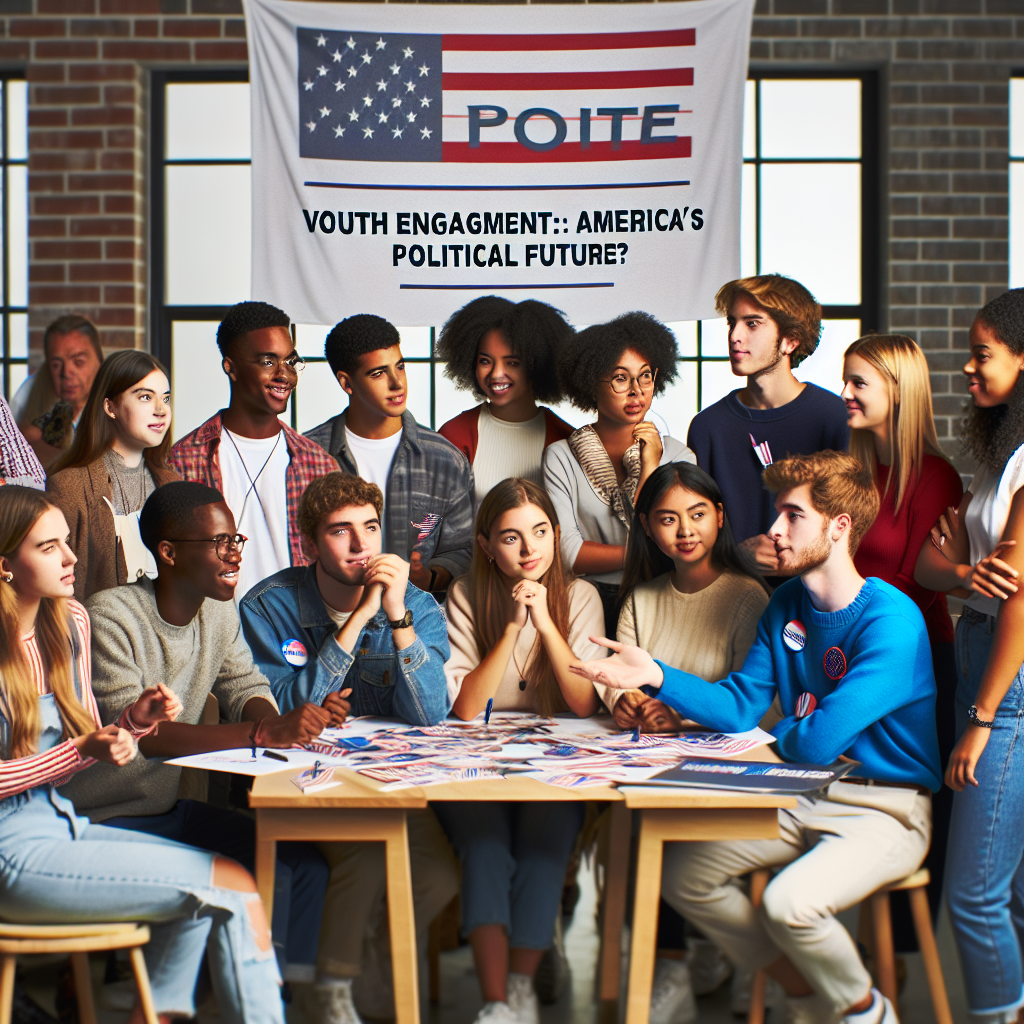
Youth engagement is a vital component of any thriving democracy, especially in a diverse landscape like the United States. As the demographic profile of voters continues to shift, so does the significance of engaging younger generations in political processes. This article will delve into the importance of youth engagement, its implications for America’s political future, and strategies to enhance participation among this crucial demographic.
Understanding Youth Engagement
Youth engagement refers to the active involvement of young individuals in political processes, community initiatives, and decision-making activities. This engagement can take many forms, from voting and campaigning to participating in town hall meetings and advocacy. Studies show that when young people are engaged, they are not only likelier to vote but also to become lifelong participants in their communities.
The Demographic Shift
According to the U.S. Census Bureau, millennials and Gen Z will make up a significant portion of the electorate in upcoming elections. A report by the Pew Research Center indicates that approximately 50% of eligible voters aged 18-29 participated in the 2020 elections, marking an increase from previous years. This demographic shift underlines the necessity of tailoring political messages that resonate with younger voters.
The Importance of Youth Engagement
1. Enhancing Democratic Processes
Engaging younger individuals in politics fosters a more vibrant democracy. Their unique perspectives can bring fresh ideas and solutions to longstanding political issues. Furthermore, increased participation among youth can lead to a more representative and fair political system.
2. Addressing Critical Issues
Young people are often at the forefront of social movements that address pressing issues such as climate change, inequality, and education reform. By engaging with these critical topics, youth can influence policy decisions that affect their future.
3. Building Political Awareness
Youth engagement leads to greater political awareness. When young individuals are involved in politics, they become more informed about their rights and responsibilities. This, in turn, promotes an active citizenry that’s equipped to advocate for change.
Challenges to Youth Engagement
Despite the clear benefits of youth engagement, several barriers hinder active participation.
1. Lack of Awareness
Many young people lack awareness about the political process and the importance of their votes. Educational institutions often don’t provide robust civic education, leaving students unprepared for active citizenship.
2. Apathy and Disillusionment
Many youths feel disillusioned by the political system, fearing that their voices won’t make a difference. This sense of apathy often stems from a perceived disconnect between politicians and the everyday issues faced by young people.
3. Accessibility Issues
For some, logistical issues like registration deadlines and voting locations can present significant challenges. Making the voting process more accessible is crucial to increasing turnout.
Strategies for Boosting Youth Engagement
To overcome these barriers and promote a more politically engaged youth population, several strategies can be implemented.
1. Enhance Civic Education
Educational institutions should integrate civic education into their curricula, teaching students about their rights, the voting process, and how to engage in political discussions. This foundational knowledge is essential for informed participation.
Social media platforms can serve as powerful tools for engagement. Politicians and organizations should leverage these platforms to communicate with younger audiences, share relevant information, and mobilize initiatives.
3. Create Youth-Focused Initiatives
Local governments and organizations can develop programs aimed specifically at engaging youth. These initiatives can range from youth councils to mentorship programs that connect young people with political leaders.
4. Simplify the Voting Process
Making the voting process easier and more accessible—such as incorporating online registration and providing more voting locations—could significantly improve turnout among young voters.
The Future of Youth Engagement in America
As we look to the future, the potential for increased youth engagement in American politics is promising. Several trends indicate a growing awareness and willingness among younger generations to participate.
1. Activism and Advocacy
Younger generations are leading various social movements. Organizations like March for Our Lives and Fridays for Future exemplify how youth can mobilize and demand change. These movements inspire political participation and create a sense of urgency around critical issues.
2. Increased Use of Technology
The rise of technology offers new avenues for engagement. From online petitions to virtual town halls, technology can facilitate participation in ways that were previously unimaginable.
3. Collaboration with Educational Institutions
Collaborations between governmental bodies and educational institutions can strengthen civic education and provide students with opportunities for real-world engagement.
Conclusion
Youth engagement is undeniably the key to America’s political future. By fostering a culture of active participation, we can ensure that future generations are involved in shaping their destinies. With enhanced civic education, innovative use of technology, and tailored engagement strategies, we can transform today’s youth into the political leaders of tomorrow.
As we move forward, the importance of recognizing and harnessing the power of young voices cannot be overstated. Engaging this demographic ensures not only a more equitable political landscape but also a future filled with promise and progress for all Americans.
External Links
Internal Links
By continuously fostering youth engagement, we can secure a vibrant, participatory democracy that reflects the diverse voices of all its citizens.




















No Comments