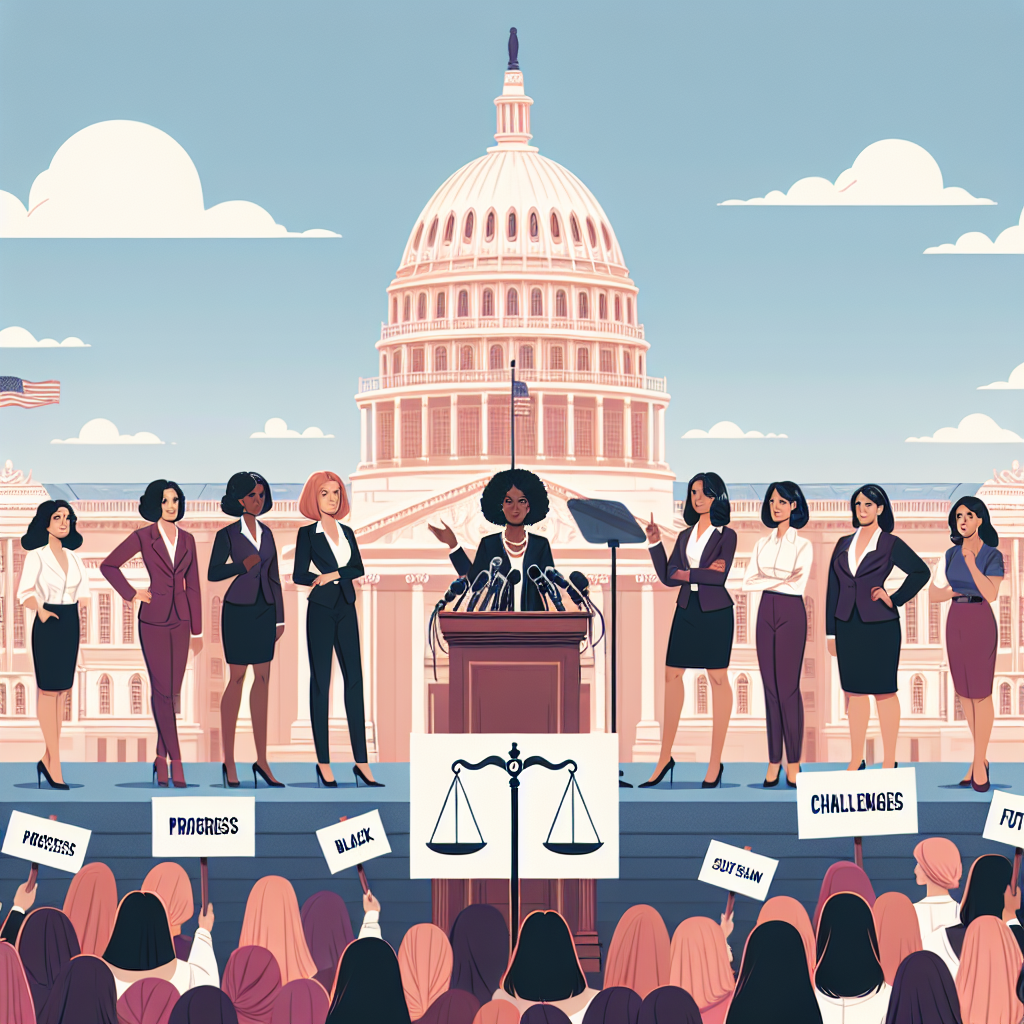
Women’s participation in politics has evolved dramatically over the past century, marking significant strides toward gender equality. This article explores the progress women have made in political spheres, the challenges they still face, and the potential future directions for women’s political representation.
H1: Introduction
Women’s political representation is a crucial aspect of democratic governance. While many countries have made significant advancements in empowering women to participate in political decision-making, substantial work remains. In exploring the journey of women’s voices in politics, we can identify key trends, obstacles, and future strategies to enhance female political engagement.
H2: Historical Context of Women’s Political Participation
H3: Early Movements for Suffrage
The fight for women’s suffrage began in the late 19th century. Pioneers like Susan B. Anthony and Emmeline Pankhurst became emblematic figures in advocating for women’s rights. Their tireless efforts culminated in significant legislative changes, including the 19th Amendment in the United States in 1920, which granted women the right to vote.
H3: Post-Suffrage Developments
Following suffrage, women began entering political offices at local, state, and national levels. The mid-20th century saw the increase of women in leadership roles, evident in the establishment of organizations like the National Organization for Women (NOW) in 1966, which worked towards achieving equal opportunities and rights for women in politics.
H2: Progress in Women’s Political Representation
H3: Current Statistics
According to the Inter-Parliamentary Union (IPU), as of 2021, women hold 26.1% of parliamentary seats globally. This figure represents a substantial increase over the years, but it still highlights the underrepresentation of women in politics.
H3: Inspirational Leaders
Women such as Jacinda Ardern, Angela Merkel, and Kamala Harris have demonstrated that female leaders can profoundly influence political discourse and policies. The visibility of these leaders serves as role models, encouraging more women to pursue political careers.
H3: Legislative Changes Supporting Women
Many countries are instituting gender quotas to ensure female representation in politics. These policies have proven effective in boosting women’s political presence. Countries like Rwanda and Finland have made significant advancements by enacting such measures.
H2: Challenges Faced by Women in Politics
H3: Gender Bias and Stereotypes
Despite progress, women in politics often face biases that undermine their capabilities. Stereotypes about gender roles can influence how female politicians are perceived and treated in their professional environments, affecting their ability to lead effectively.
H3: Work-Life Balance
Balancing family responsibilities and political duties presents another hurdle. Many women find it challenging to navigate these demands, often leading to a reluctance to enter the political arena.
H3: Violence and Harassment
Reports indicate that women in politics face higher levels of violence and harassment, both online and offline. This not only affects their psychological well-being but also discourages other women from pursuing political roles.
H2: Future Directions for Enhancing Women’s Political Involvement
Continued advocacy for policies that promote gender equality is essential. This includes support for legislation that addresses work-life balance, provides parental leave, and promotes safer political environments for women.
H3: Mentorship Programs
Establishing mentorship programs where experienced female politicians guide aspiring leaders can significantly boost women’s confidence and readiness to engage in politics. Such programs can provide invaluable insights and networks.
H3: Raising Awareness and Education
Implementing educational initiatives that raise awareness about the importance of women’s voices in politics can foster a culture of inclusion. Encouraging young girls to aspire to leadership roles will gradually change societal perceptions.
Social media has become a powerful tool for political engagement. Women can utilize platforms like Twitter and Facebook to amplify their voices and connect with a broader audience, effectively breaking down traditional barriers to entry.
H3: Online Campaigning
Digital campaigning has revolutionized political participation. Women can now campaign for office with a relatively low budget, reaching potential voters directly through innovative strategies.
H2: Conclusion
Women’s voices in politics are essential for achieving comprehensive and representative governance. While significant progress has been made, challenges remain that require collective action and ongoing commitment. By advocating for more inclusive practices and policies, fostering supportive networks, and utilizing technology effectively, we can pave the way for a future where every woman has the opportunity to influence political decisions.
External Links
- Inter-Parliamentary Union – Women in Politics
- National Organization for Women – History
Internal Links
- Empowering Women Entrepreneurs: Explore how women entrepreneurs are making waves in the business world.
- Future of Gender Equality in Business: Learn about ongoing trends that promote gender equality in business settings.
- Successful Women Leaders: Read about influential women leaders who have shaped various industries.
By addressing these challenges and harnessing the potential of women in politics, we not only uplift voices but also enhance democracy itself.

















No Comments